01
Colour
Temperature, harmony, and the physics of pigment. Learn to see relationships, not just shades.
Grow as an artist through deliberate practice across the three foundations of representational art — colour, line & shape, and value.
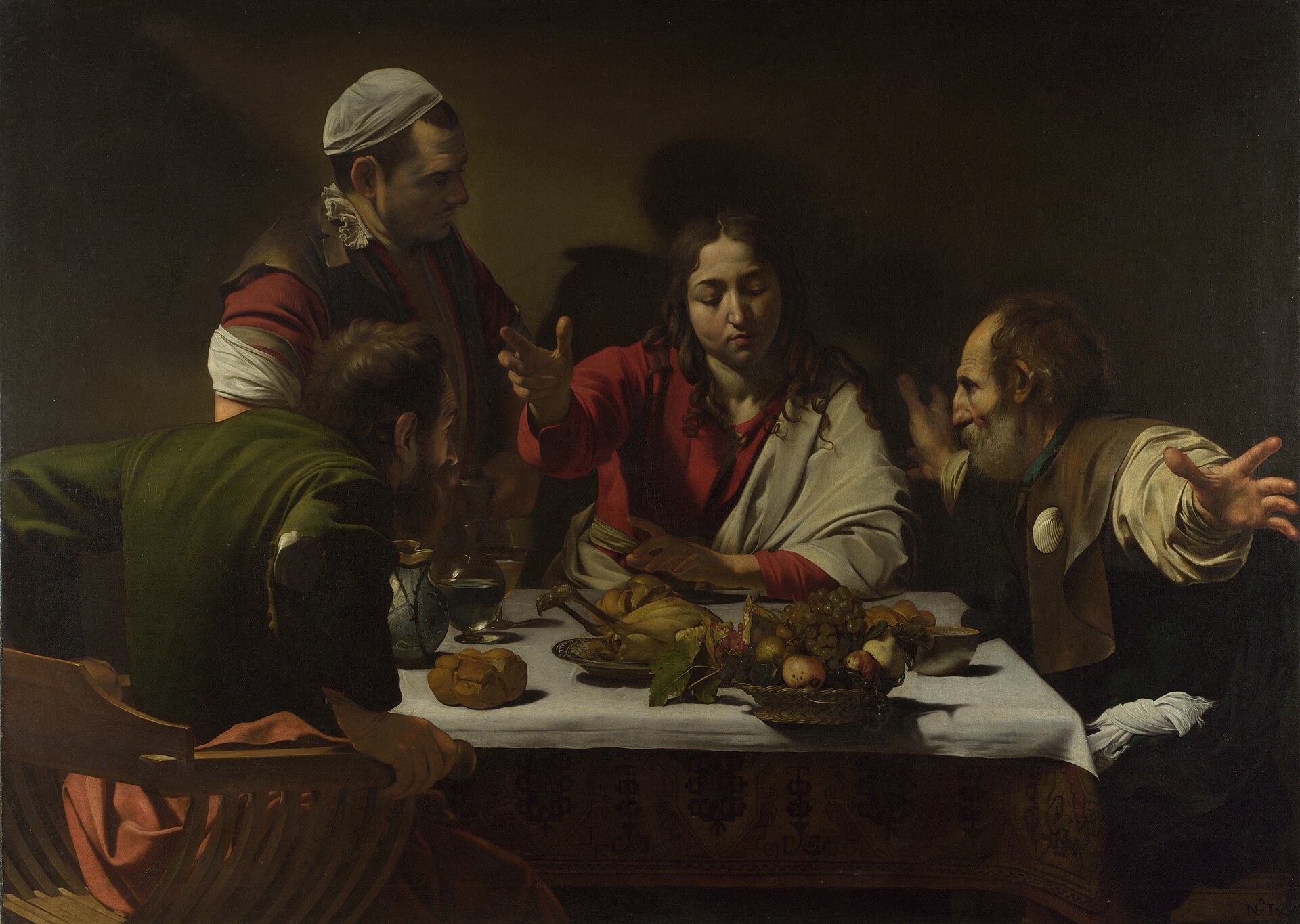
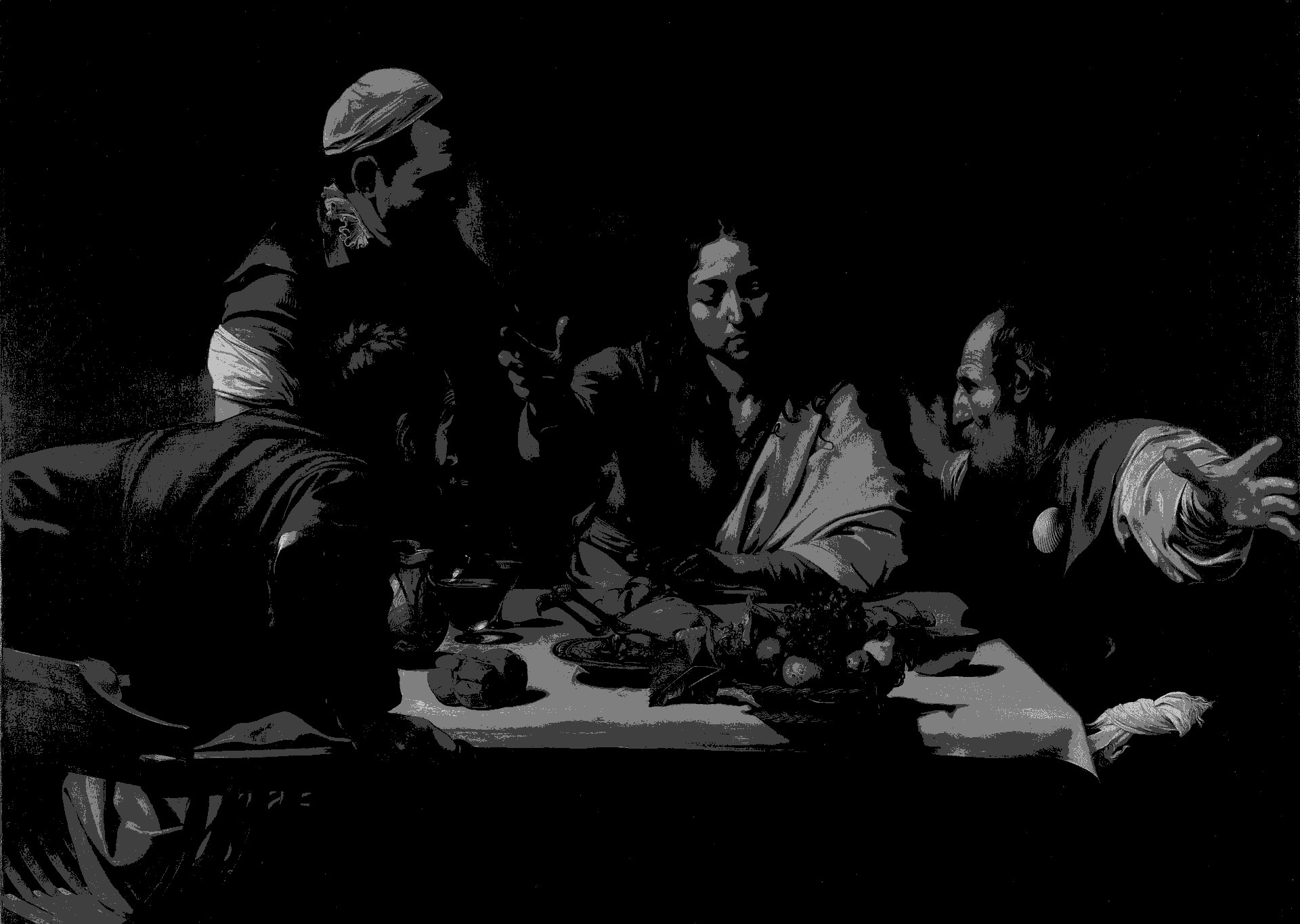
Strip a painting to its value structure and the design you couldn’t see appears. This is one of six free ways to train your eye.
Every great work rests on the same foundations. Each pillar gets a tool to explore and a gamified trainer to grow.
Temperature, harmony, and the physics of pigment. Learn to see relationships, not just shades.
The architecture of seeing. Build confidence in gesture, silhouette, and the economy of the line.
Light and shadow are the architects of form. Master the grayscale to create depth and focus.
Train the part of your eye that judges hue, temperature, and saturation — the difference between a colour that sits and a colour that sings.
Sample any reference with multi-pin picking and break it down by proportion, temperature, and saturation. Isolate warm, cool, or neutral pixels to see the structure underneath.
Calibration drills for the colour-mixing eye. Match digital targets with HSL sliders, or photograph a real mixed swatch and score it against the target with white-balance correction.
Two ways to practice the architecture of seeing — one open studio tool, one structured trainer that gets harder as you grow.
Drop in any reference and overlay a configurable grid, sight lines, and proportional guides. A companion for accurate observation drawing.
Study a reference, then rebuild it from memory on a blank canvas. Compare your recall against the original with layered opacity to see exactly where your eye drifted.
Train your eye to separate value from colour — the single biggest unlock for depth, mood, and focus in a painting.
Drop in any reference and posterize it into clean value tiers. Isolate any tier on neutral grey to see what your eye keeps missing.
A calibration drill that samples a point on a reference and asks you to name its tier. Builds an honest read of light and a long-term bias report.
A few minutes of deliberate practice a day is worth more than hours of aimless drawing.